
Beginner guide: your first hour
You spawn on a planet that is supposedly empty, and the game does not hand you a quest log — it hands you a pickaxe and a lot of rock. The order below is what actually keeps your first factory alive, and it comes from the official feature list, the v0.5.x patch notes and the questions players are already asking in the Steam discussions.
1. Read the ground before you dig
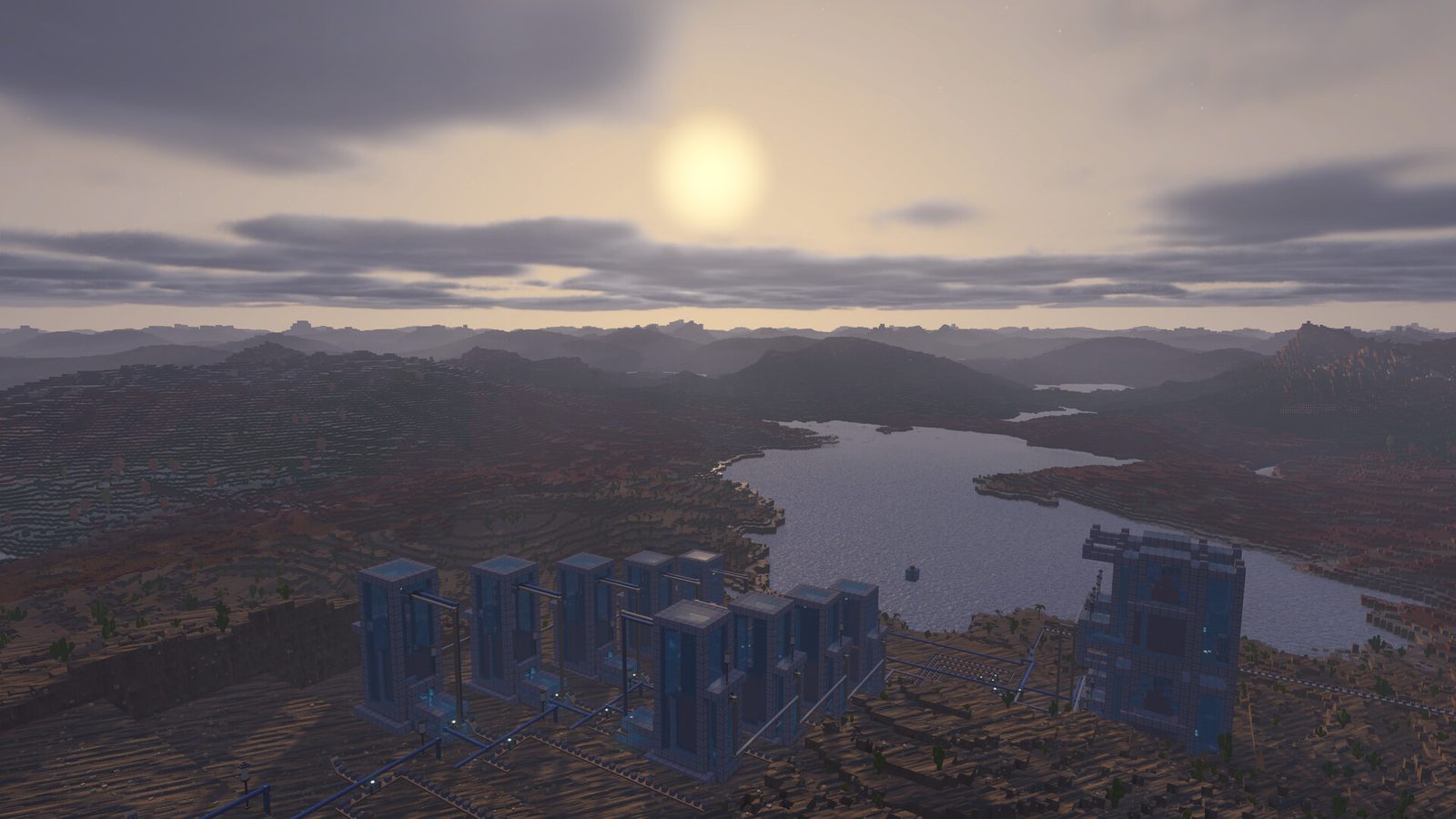
Every block of the voxel world is destructible, so the first decision is geographic, not mechanical. The official feature list is explicit about the four moves that make terrain worth reshaping: dig shafts down to deep ore veins, carve canals for cooling water, flatten a mountain for a mega-factory, or tunnel your logistics straight through the rock.
That means your starting spot should be chosen for three things at once — an ore body you can reach, a water source you can move, and enough flat ground that you are not rebuilding belts every ten minutes. Water matters more than it sounds: this is a game where temperature is simulated, and cooling is not optional.
2. Ore to plates before anything clever
The Production Planner's own default targets are a good mirror of the intended early loop — it opens with Steel Plate and Steel Gear as goals, because those two are what everything downstream wants. Get a drill onto ore, move it to a smelting step, and turn it into plates and gears before you design a bus, a rail or a drone route.
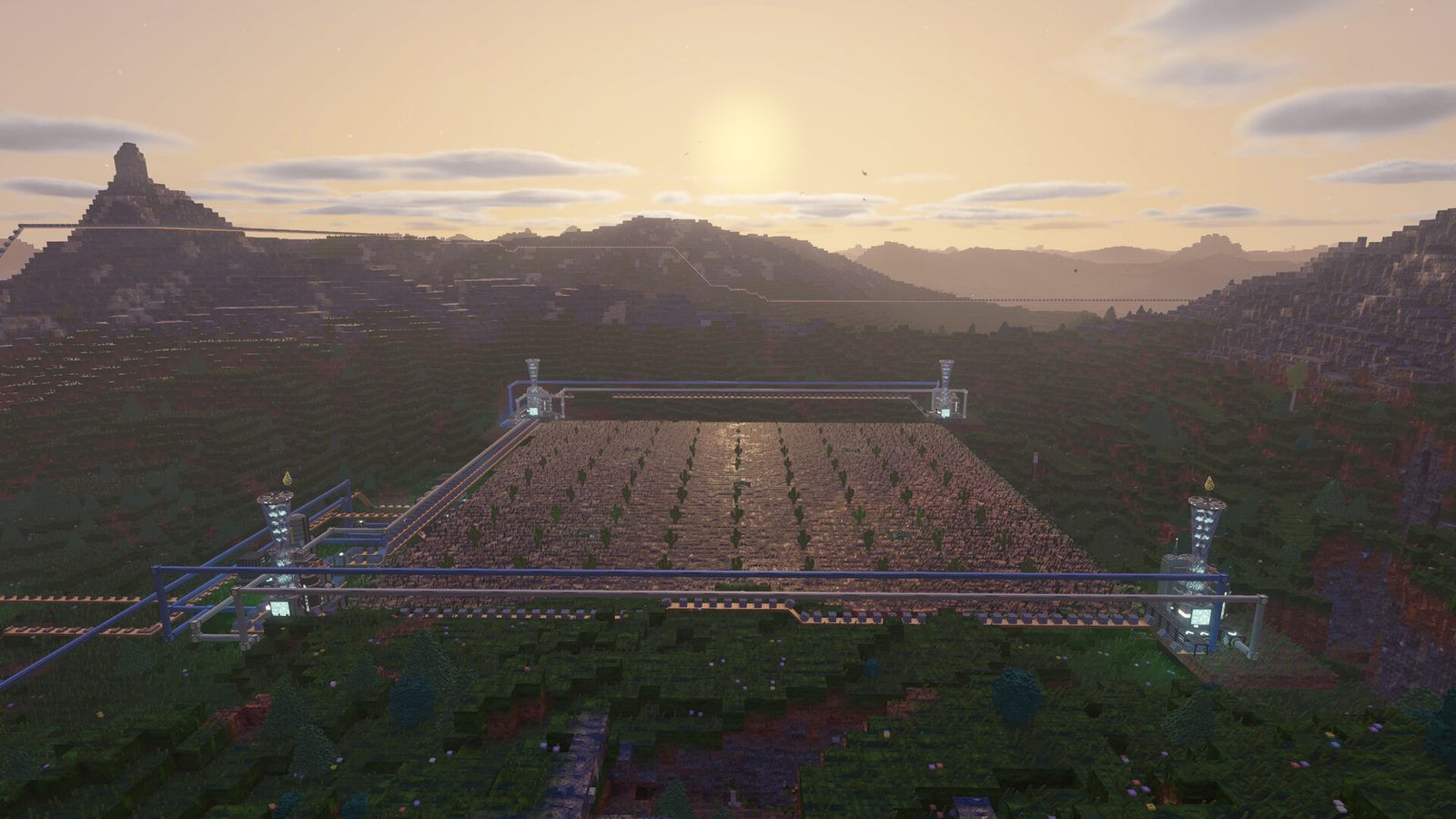
The planner reports each machine as a count plus a load factor — x1 (0.88) — which is the game telling you how hard that machine is working, not how many you own. One machine at 0.88 is fine; a chain of them at 1.00 with no spare capacity is a bottleneck waiting to happen.
3. Get power online, then keep it cool
Power and heat are the same problem here. Boilers feed steam turbines, furnaces warm their surroundings, snow melts and water boils away — all of that is simulated rather than faked with an animation. So the sequence that works is: build generation, build the cooling for that generation, then expand.
Players noticed this before the wiki did. One launch-week thread is titled simply that the game causes temperature problems, and the official store page lists exchangers and thermostats as the tools for managing waste heat "before your factory cooks itself."
| First-hour step | What it unlocks | What goes wrong if you skip it |
|---|---|---|
| Pick site near ore + water | Both loops you need | You rebuild belts and pipes later |
| Drill → smelt → plates/gears | Every recipe that follows | Nothing else can be built properly |
| Power + cooling together | Stable expansion | Waste heat accumulates and machines overheat |
| Set 2 planner targets | Bottleneck visibility | You expand the wrong machine |
| Route fluids by temperature | Lava, hot water and oil stop fighting you | Channels clog or fluids react where you did not plan |
4. Fluids move, and they react
Water, lava, oil and stranger substances flow, pool and press against what you build. Where they meet they react, lava hardens into rock inside your cooling channels, and a hot spring can power an early base if you pipe it correctly. The practical rule for hour one: pump it, pipe it, and route it by temperature, not by whatever direction is shortest.
5. Drone logistics is a mid-game answer, not hour one
The most recent substantive systems patch, v0.5.13 Drone logistics improvements (September 18, 2026), landed five days before launch, so drone routes exist — but they arrive after you already have production worth moving. Long-distance transport is one of the questions players are asking most (a thread titled exactly that is open in the discussions), and it is covered on the Logistics & Drones page.
Demo progress carries over
The developer answered this in a pinned thread: yes — demo progress carries to the full version. That matters if you are reading this before buying, because you can start the loop in the demo and keep it.
What we could not confirm yet
The Early Access build unlocked on September 23, 2026 and there are no player-written guides on Steam yet (zero published guides as of this page's verification date). So the following are deliberately not stated as fact: exact ore spawn rules, recipe ratios, the temperature thresholds at which machines take damage, map dimensions, and the full tech progression. Player threads asking about map size, world height and depth limits, and whether there are enemies or a story are open — we list them with their current status on FAQ & Known Issues.
Next: Heat & Steam · Fluids & Pipes · Production Planner