
Heat and steam: boilers, turbines and waste heat
Heat in FluxWerks is not a meter you top up — temperature is simulated across the world and inside your machines, which is why the official feature list spends a whole section warning you about waste heat. Boiler to turbine is the spine of your power, and everything else in this page exists to stop that spine from melting.
What the official sources confirm about heat
The developer's own feature page ("metallibitti.fi") describes heat behaviour directly:
- Temperature is simulated across the world and inside your machines. It is not a decorative value on one machine — the environment itself has temperature.
- Boilers feed steam turbines. That is the stated power chain.
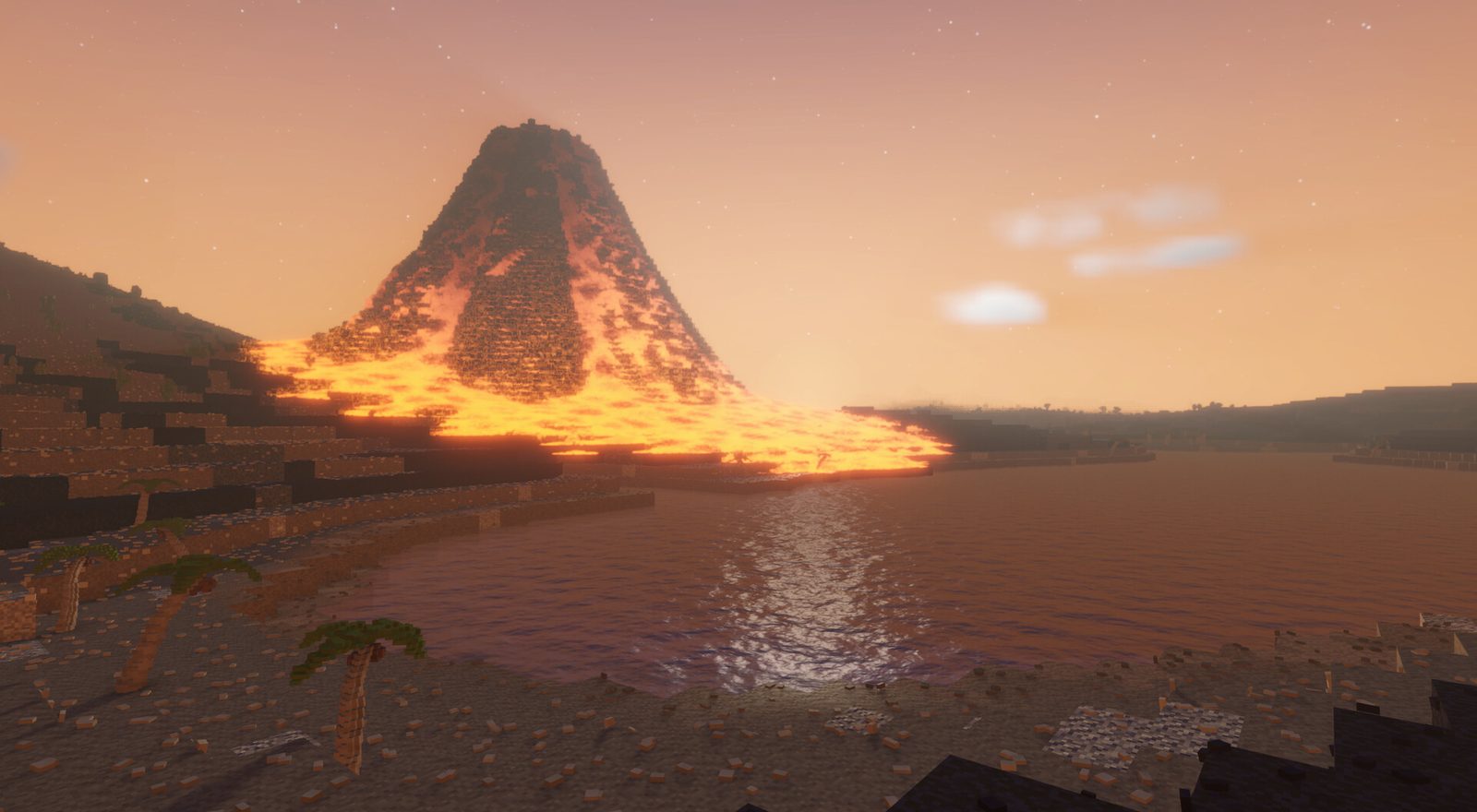
- Furnaces warm their surroundings, snow melts, and water boils away. Heat spreads to what is nearby, including terrain.
- Exchangers and thermostats are the listed tools for managing waste heat "before your factory cooks itself."
That last phrase is the design intent in five words: heat is a failure mode you are meant to engineer around, not a number you grind past.
The loop: generate, then cool, then expand
- Build generation (boilers feeding turbines) together with its cooling, never ahead of it.
- Route coolant by temperature. Fluids are simulated, so a cooling channel is a thermal decision, not just a pipe run.
- Watch what the furnaces do to their neighbours. Because furnaces warm their surroundings, clustering them without spacing or exchangers is the classic way to cook a line.
- Expand only once the previous stage holds temperature. Every expansion adds heat load to the same world.
Boilers, turbines and the numbers you should track
The Production Planner tracks power the way the game wants you to think about it: per-machine draw in kW, and a Grid power total in MW on its summary panel. A factory drawing more than it generates is a brownout waiting for the first hot afternoon.
| Thing to watch | Where it shows up | Why it matters for heat |
|---|---|---|
| Power draw per machine | Planner node (75.00 kW, 600.00 kW) | More machines = more generation = more waste heat |
| Total grid load | Planner summary (Grid power 2.18 MW) | Your generation target |
| Fuel burn | Planner node (8.53/min), summary (Coal burned 12.8/min) | Fuel feeding heat-producing steps |
| Pollution | Planner summary (285/s, printed in amber) | The planner's own warning colour, same as a caution value |
Heat interacts with fluids, terrain and weather
Because heat is a world property rather than a machine property, three other systems feed back into it:
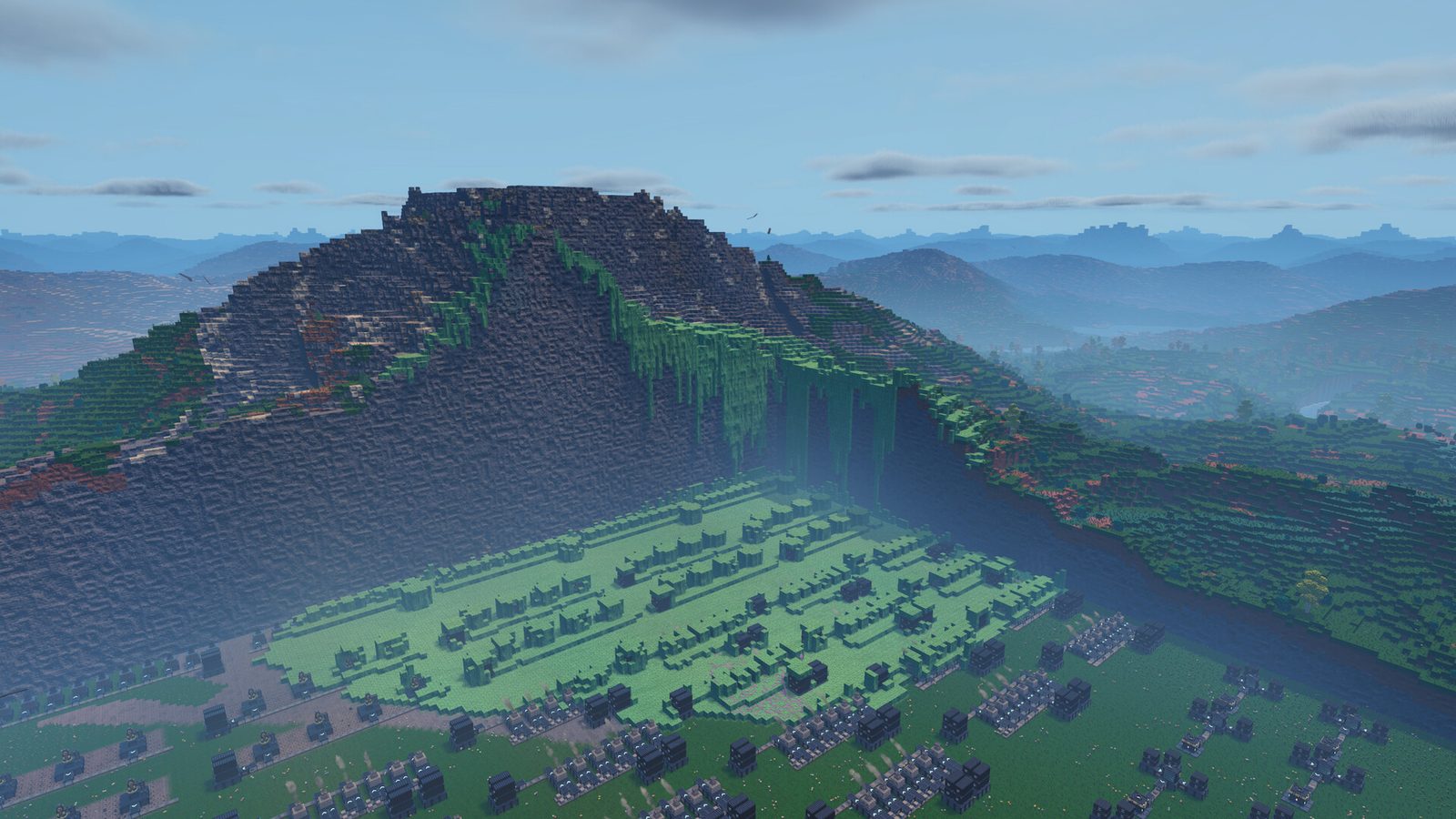
- Fluids. Water, lava and oil flow, pool and react where they meet; lava hardens into rock in your cooling channels, and hot springs can power an early base.
- Terrain. Snow melting and water boiling away are stated behaviours — a cold biome and a volcanic one do not impose the same cooling bill.
- Weather. The official page says each biome has its own temper (sandstorms are the example it gives). Weather with teeth changes the load on a factory that is already thermally balanced.
Common heat mistakes at launch
| Mistake | What it costs you |
|---|---|
| Building generation first, cooling later | The gap is exactly when waste heat accumulates |
| Clustering furnaces tight for belt simplicity | Neighbouring machines warm each other |
| Piping coolant the short way regardless of temperature | The route fights the fluid's own thermal behaviour |
| Reading grid power but not fuel burn | You can be power-positive and still fuel-starved |
| Ignoring biome temperature when relocating | A design tuned in one biome does not transfer |
What we could not confirm yet
We do not yet have verified temperature thresholds (the exact degrees at which machines take damage or fluids change state), heat capacity per fluid, exchanger throughput, or thermostat setpoint ranges. Those numbers need a datamine or controlled in-game test, and there is no player guide on Steam to cross-check against yet. The v0.5.x patch line is active enough that these should be re-checked after the next content patch — the page's footer date shows when we last verified it.
Next: Fluids & Pipes · Beginner: First Hour · FAQ & Known Issues