
Fluids and pipes: water, lava, oil and temperature routing
The short version: fluids in FluxWerks are simulated, not animated — they flow, pool, press against what you build, and react where they meet, so the rule that saves you is to pump it, pipe it, and route it by temperature. Water, lava and oil all behave differently, and lava is the one that will fill in your own cooling channel if you let it.
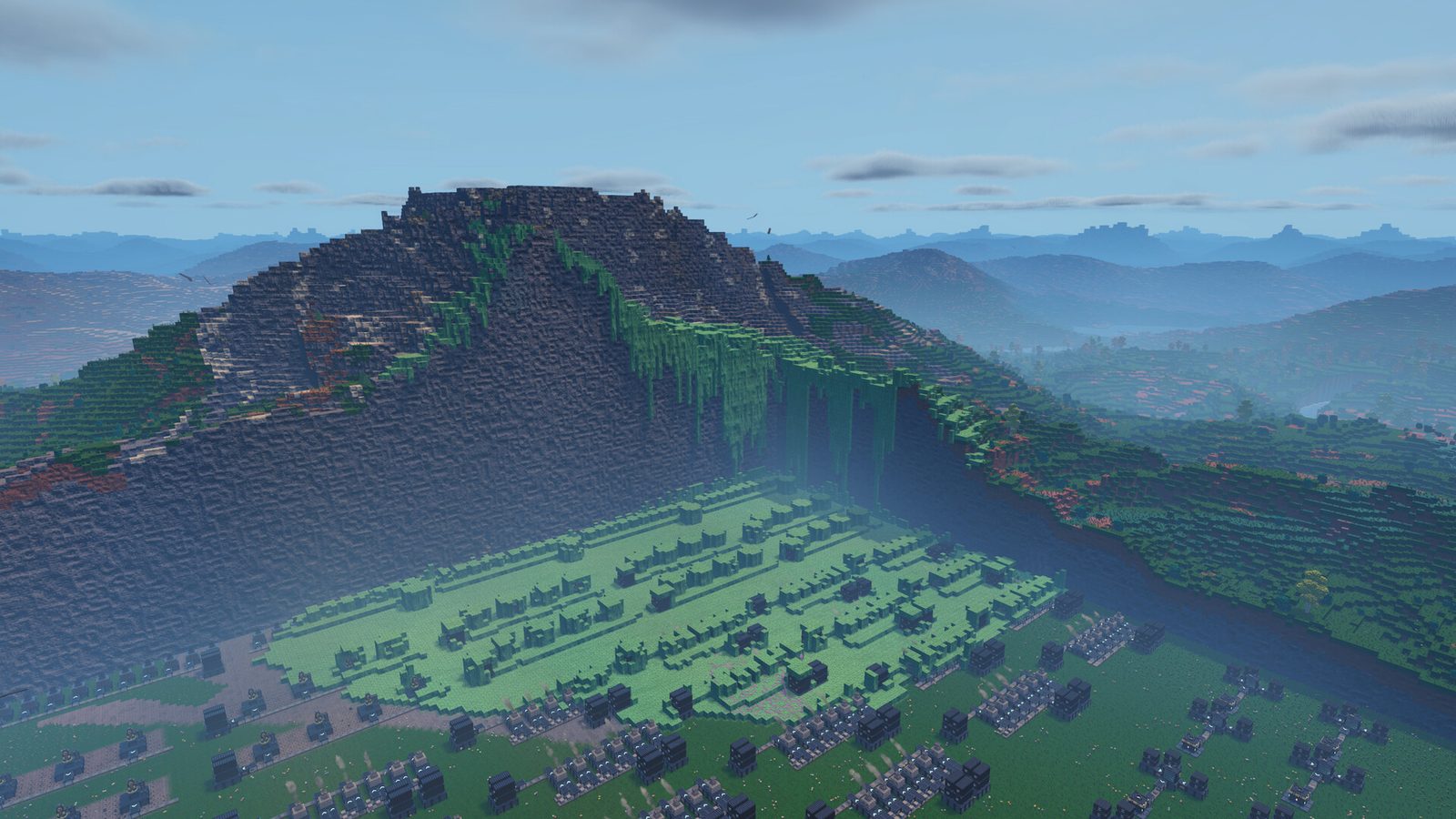
What the official feature list states
The developer's page has a section called "Fluids with real flow", and it makes four concrete claims:
- Water, lava, oil and stranger substances flow, pool, and press against your works.
- Fluids react where they meet.
- Lava hardens into rock in your cooling channels.
- Hot springs can power an early base.
The instruction attached to all of it: pump it, pipe it, and route it by temperature.
Why temperature routing beats distance routing
In a game where fluids are simulated, a pipe run is a thermal decision. The shortest route may carry fluid past heat sources or through a biome that changes what happens to it on the way. Because fluids react where they meet, an oil line and a water line that cross carelessly is a problem you built yourself.
| Routing habit | What the simulation does with it |
|---|---|
| Shortest pipe, ignoring temperature | Fluid arrives having gained or lost heat somewhere you did not plan |
| Lava through a cooling channel | The lava hardens into rock and blocks the channel |
| Water routed past furnaces | It boils away — the store page states water boils under heat |
| Hot spring tapped early | It can power an early base, if the route respects its temperature |
| Two reactive fluids meeting at a junction | They react where they meet, wherever that junction happens to be |
Pumps, pipes and the terrain you carve for them
Terrain and fluids are one system: the official feature list says you can dig shafts to deep ore veins, carve canals for your cooling water, flatten mountains, or tunnel your logistics straight through rock. Carving a canal for cooling water is explicitly one of the intended terrain moves, not an exploit.
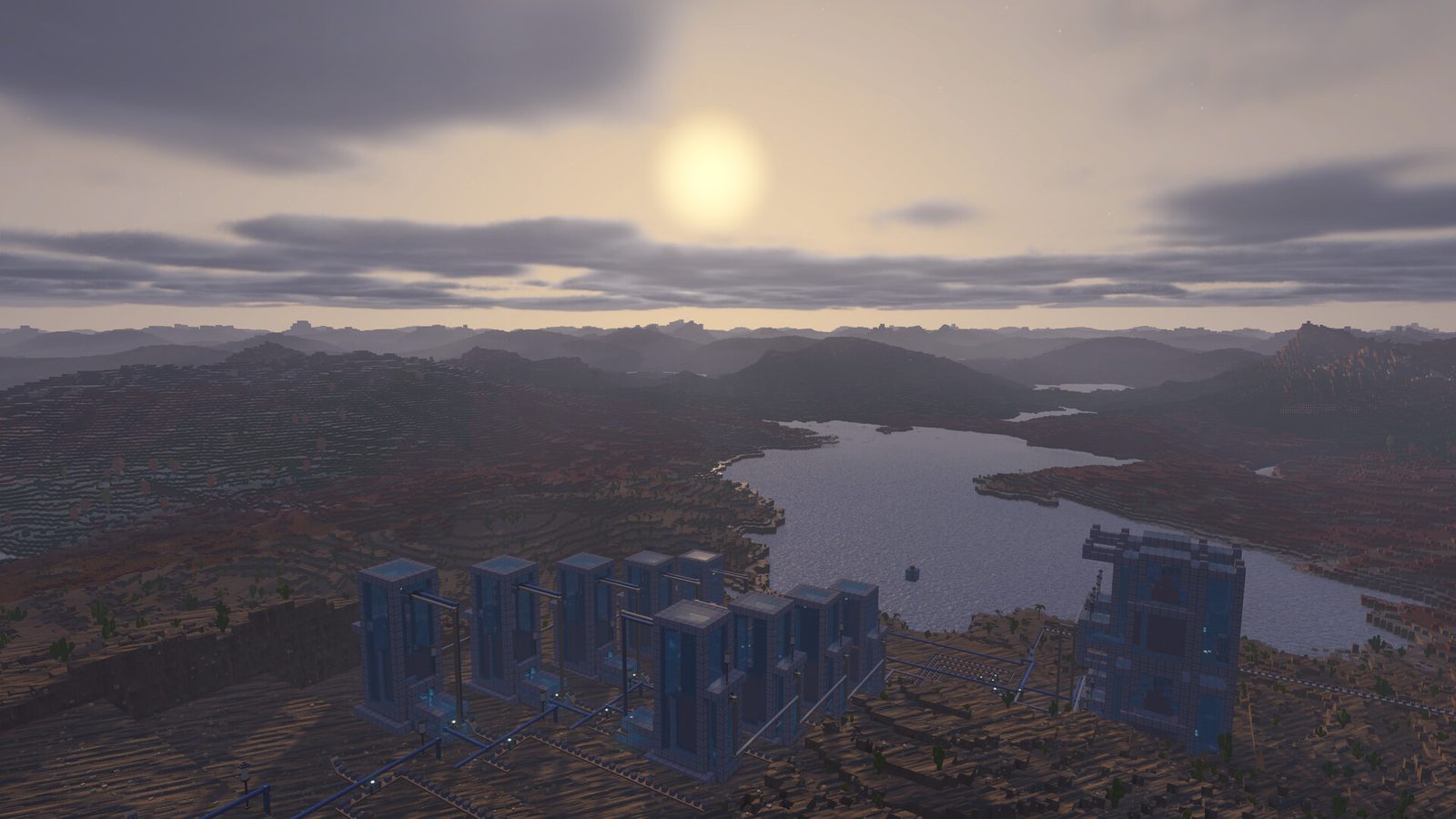
Practical consequences for a first base:
- Water needs a path you control. Carve the canal rather than hoping terrain cooperates.
- Lava needs containment, because it hardens where your cooling is — either route it far from channels or accept that a leak becomes permanent rock.
- Oil is a separate line. It is listed as its own fluid with its own behaviour, so keep reactive pairs apart until you have a junction you chose.
What players are asking about fluids and transport
The Steam discussions are currently the only place player questions exist — there are zero player-written guides on Steam for this title as of this page's verification date. The open threads that touch fluid logistics are:
- "Transport over long distances" — how far a pipe or belt run should go before you relocate.
- "storage" — buffering fluids and items between steps.
- "Looks really cool! Question about world height, depth and structure building" — how deep you can carve before you hit a limit.
The first two are answered in part by the Logistics & Drones page; the third is still an open question and is tracked on FAQ & Known Issues.
What we could not confirm yet
Not verified in the Early Access build: pipe throughput, pressure limits, per-fluid viscosity or flow rates, exactly which substances count as "stranger substances", and the temperature at which each fluid changes state. Hot-spring power output is stated as a capability but not quantified anywhere official. Until a player guide or a controlled test exists, treat every fluid number you see elsewhere as unconfirmed.
Next: Heat & Steam · Logistics & Drones · Beginner: First Hour